Reviews





Certified technicians, professional drying equipment and moisture readings you can see for yourself. No guesswork.
You focus on your home. We put together the photos, readings and reports your insurance company needs.
Call now and a real person picks up. We ask a few questions and send a crew, so the water stops spreading sooner.
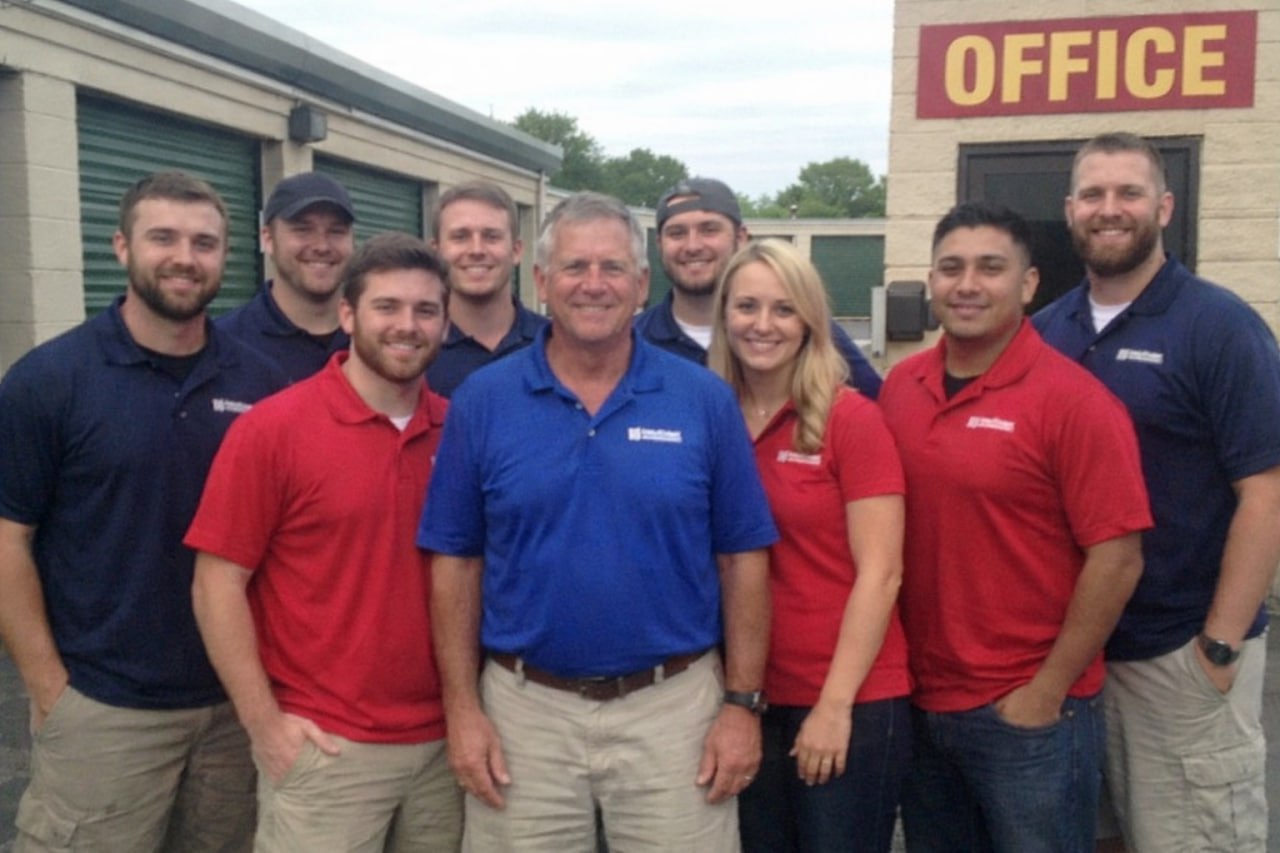
When you call about kitchen water damage, you reach a restoration team that works in Bend every day. We tell you what it will take, give you a clear quote and get a crew moving.
A kitchen has more water connections than any other room: the faucet, the drain, the disposal, the dishwasher and the refrigerator line. Nearly all of them are hidden inside a cabinet or behind an appliance. When one drips, the water runs to the back of the cabinet base and spreads under the floor. For homeowners in Bend, our job is to track it down, dry it out, and preserve all of the kitchen that can be saved.
Cabinets are the expensive part of this problem. Boxes made of particleboard swell quickly and do not shrink back, while plywood and solid wood often dry out well. Toe kicks come off and a few small, concealed holes are drilled so dry air can travel behind and below the cabinets, which lets cabinets and countertops stay put in many kitchens during drying.
Base cabinets sit over a gap that is boxed in all around. Water collects there, stays for weeks, and grows mold that nobody sees until the cabinets are pulled.
Kitchens often have new flooring laid over old. Trapped water sits between the two, with no way to evaporate and no sign on the surface.
The thin tube feeding the ice maker can leak a few drops a minute. When the fridge never gets moved, this amount will rot the flooring and the wall.
Because it leaks just when the sink drains, a loose fitting or a worn disposal seal often goes unnoticed. Food waste rides along in that water, so the sink cabinet turns smelly and moldy quickly.
It depends on the material, how long it stayed wet and how clean the water was. We test before we decide, and we tell you why.
Call (281) 670-8556| Material | Can usually be saved when | Has to be replaced when |
|---|---|---|
| Vinyl flooring | Flat, sealed at the seams, with a dry reading from the subfloor below | Water is trapped underneath, or the vinyl is lifting where the glue failed |
| Plywood cabinets | No separating layers, solid joints, and the leak was found early | Panels are coming apart or mold has grown inside |
| Laminate flooring | A spill that sat on top and got wiped within minutes | Plank edges have puffed up, or water is underneath them |
| Toe kicks | Seldom worth the effort, but solid wood pieces occasionally dry flat | In almost every job, as removal gives drying air a way in |
| Hardwood flooring | Mild cupping that flattens as the boards dry out slowly | Boards have buckled, lifted off the subfloor, or turned black |
A failed fitting or hose sends water under appliances and to the rear of the cabinets. Through edges and seams, it works its way under the floor covering.
The water is absorbed by particleboard bases and toe kicks, which swell. Behind the dishwasher and beneath the cabinets, the closed, dark space allows mold to begin.
As adhesive releases, vinyl begins lifting, while hardwood boards cup and laminate edges swell. The doors and drawers on the cabinets go out of alignment.
There is no restoring cabinet boxes once they have swelled. Subfloor may be delaminating, and mold behind the cabinets often means removing them along with the countertop above.
We shut off the leaking fixture or appliance line, pull the dishwasher or refrigerator if needed, and confirm exactly which connection failed so it can be repaired before drying begins.
We check the cabinet bases, the wall at their back and the floor throughout the room with thermal imaging and moisture meters. Under kitchen flooring, water often goes farther than anyone expects.
We remove the toe kicks and direct air behind and beneath the cabinets. Air movers and dehumidifiers run for several days, and we treat damp cavities with an antimicrobial.
We carefully remove any flooring, subfloor or cabinet section that cannot be saved. After dry readings are confirmed, the appliances go back in and we help you arrange the remaining repairs.
Have a different question? Call us and we will answer it over the phone.
Call (281) 670-8556Take action now and prevent costly damage. Bend Restoration is ready to help.
Call (281) 670-8556 Now